
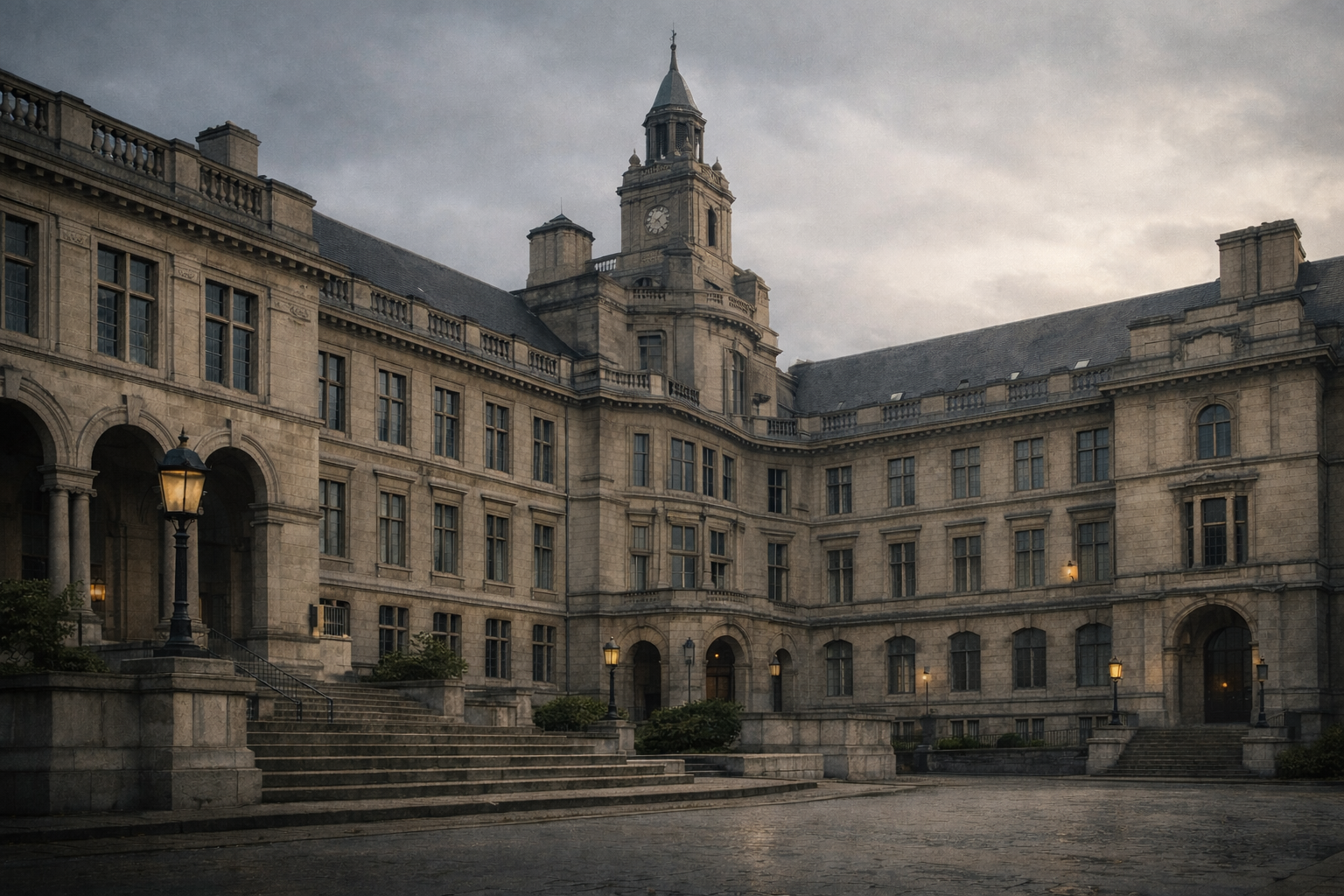
LANGTON LIBRARY
THE
OF SUPERNATURAL THEOLOGY
Restored classics in angelology, demonology, and supernatural theology—edited for the modern church and academy.
A curated series of Edward Langton’s major works, newly presented with editorial clarity, historical framing, and restrained theological rigor.
What This Library Is
The Langton Library of Supernatural Theology is a unified scholarly corpus dedicated to the disciplined study of angels, demons, and the unseen realm as revealed in Scripture and interpreted through historical theology. At a time when spiritual realities are either dismissed as superstition or distorted through sensationalism, this library offers a sober alternative—careful, historically grounded, and theologically responsible.
Originally written in the mid-twentieth century by Methodist theologian Edward Langton, these works examine supernatural doctrine across biblical, patristic, medieval, and modern periods with clarity and restraint. Newly edited and restored for contemporary readers, the Langton Library exists to equip pastors, scholars, and serious Christians with a clear-eyed understanding of spiritual reality—anchored in Scripture, informed by history, and guarded against speculation.
Editorial Value Pillars
Restored Texts
Carefully edited editions with improved structure, readability, and scholarly apparatus.
Historical Framing
Supernatural theology situated in its proper biblical and historical context, without distortion or anachronism.
Sober Theology
Disciplined, non-speculative engagement with spiritual realities, written for clarity, discernment, and pastoral responsibility.
Editorial Methodology & Commitments
This library is governed by a set of non-negotiable editorial commitments designed to preserve the integrity of Edward Langton’s scholarship while making his work accessible to modern readers:
Preserve Langton’s voice and argument, without revisionist reinterpretation
Correct structure and formatting to improve clarity, navigation, and readability
Add light editorial notes only where historical or linguistic context is necessary
Clearly distinguish between doctrinal teaching, historical claim, and theological inference
Maintain a sober tone, resisting speculative or sensational framing
“Our aim is clarity without distortion—restoration without reinvention.”

About Edward Langton
Edward Langton (1886–1965) was a British Wesleyan Methodist minister and theologian whose life united pastoral ministry with disciplined historical scholarship. Raised in rural Cheshire within a devout Methodist household, Langton was formed by the rhythms of chapel life, Scripture, and hymnody before entering ministerial training at Handsworth College. His theological education combined classical Wesleyan orthodoxy with exposure to emerging critical methods, a balance that would shape his entire career.
Ordained into the Wesleyan itinerant ministry in 1912, Langton served working-class and industrial congregations across England during and after the First World War. Alongside his pastoral vocation, he pursued advanced academic study at the University of London, earning the degrees of Bachelor's and Doctor of Divinity. His doctoral research on good and evil spirits became the foundation for a series of major works on angelology, demonology, and Satan.
Writing primarily in the 1930s–1940s, Langton emerged as one of the most sober Protestant voices addressing the supernatural. His scholarship was marked by historical breadth, careful use of sources, and resistance to both skepticism and sensationalism—qualities forged through pastoral experience, personal loss during the Second World War, and lifelong commitment to the Church.
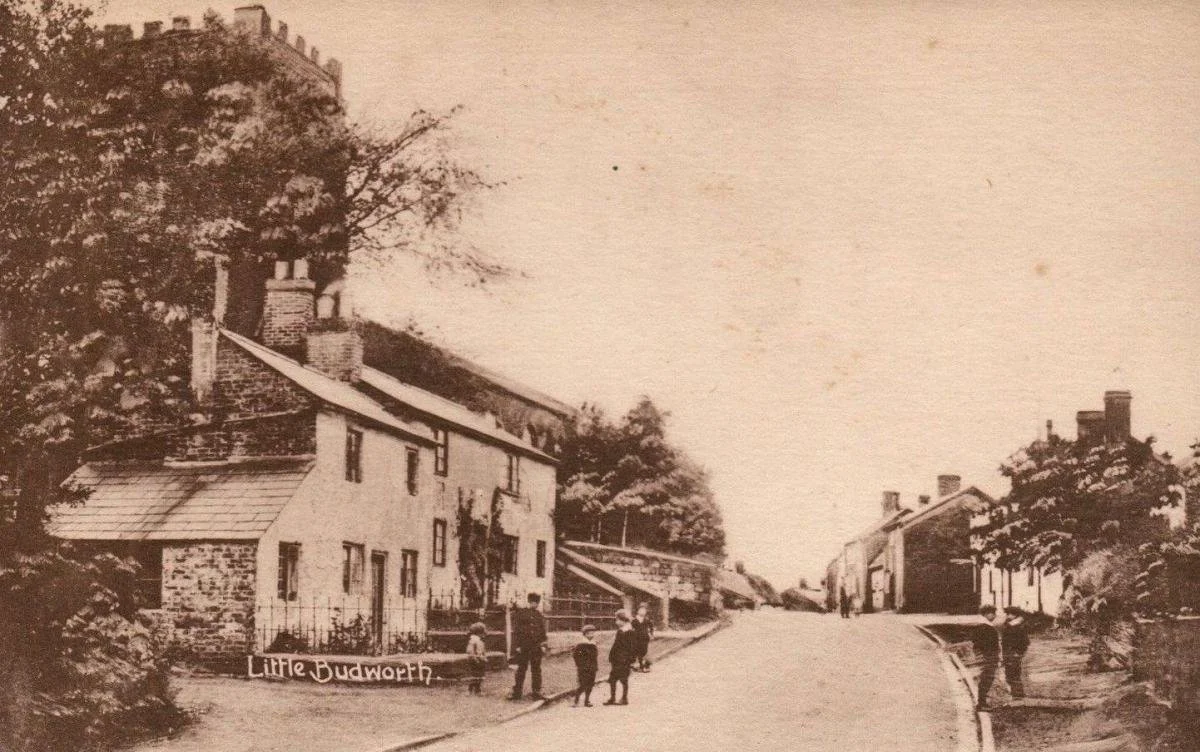
Little Budworth, Cheshire, England
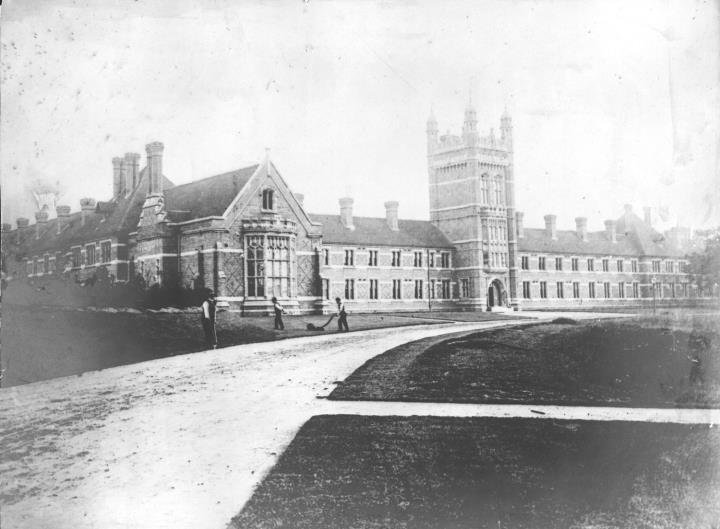
Handsworth College
Langton at a Glance
Tradition: Wesleyan Methodist
Vocation: Minister, theologian, historian
Education: Handsworth College; University of London (B.D., D.D.)
Scholarly Focus: Angels, demons, Satan, supernatural doctrine
Method: Historical theology, biblical exegesis, disciplined restraint
Style: Sober, cautious, historically precise
Why He Matters: One of the most coherent Protestant treatments of the supernatural in the twentieth century, uniting pastoral concern with scholarly rigor
The Seven-Volume Architecture
Each volume may be read independently, yet together they form a coherent theological and historical examination of angels, demons, and the unseen realm across Scripture and the life of the Church.

Satan: A Portrait
A Study of the Character of Satan Through All the Ages
This volume traces the figure of Satan across biblical, intertestamental, patristic, medieval, and modern periods, attending carefully to how his character is portrayed rather than sensationalized. Langton examines scriptural texts alongside theological reflection to show how doctrine, imagination, and pastoral concern shaped Christian understandings of evil. The work resists myth-making, offering a disciplined historical and theological portrait.
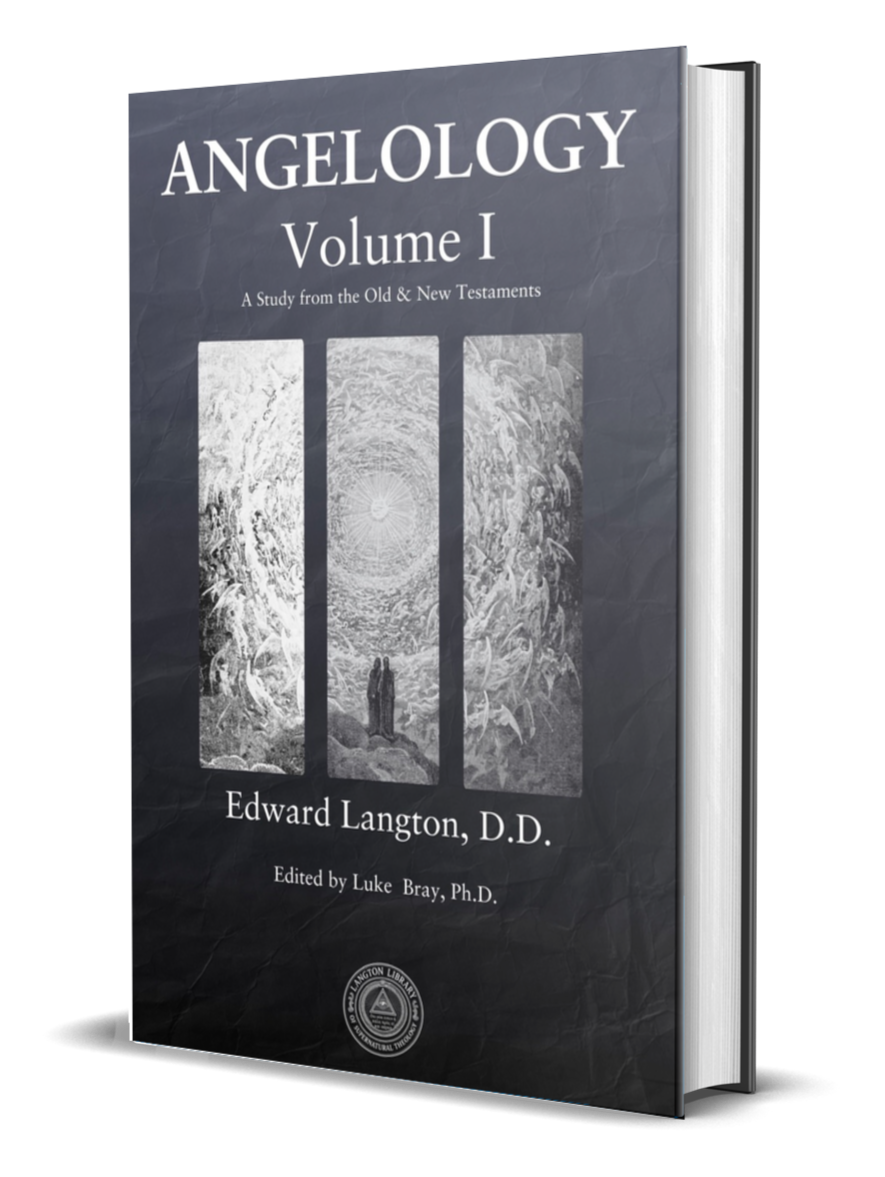
Angelology, Volume I
The Biblical Doctrine of Angels
This volume presents a systematic study of angels grounded in the Old and New Testaments. Langton surveys biblical terminology, roles, hierarchies, and appearances while distinguishing clearly between scriptural witness and later speculation. The result is a restrained, text-centered account of angelic beings as they function within biblical theology.
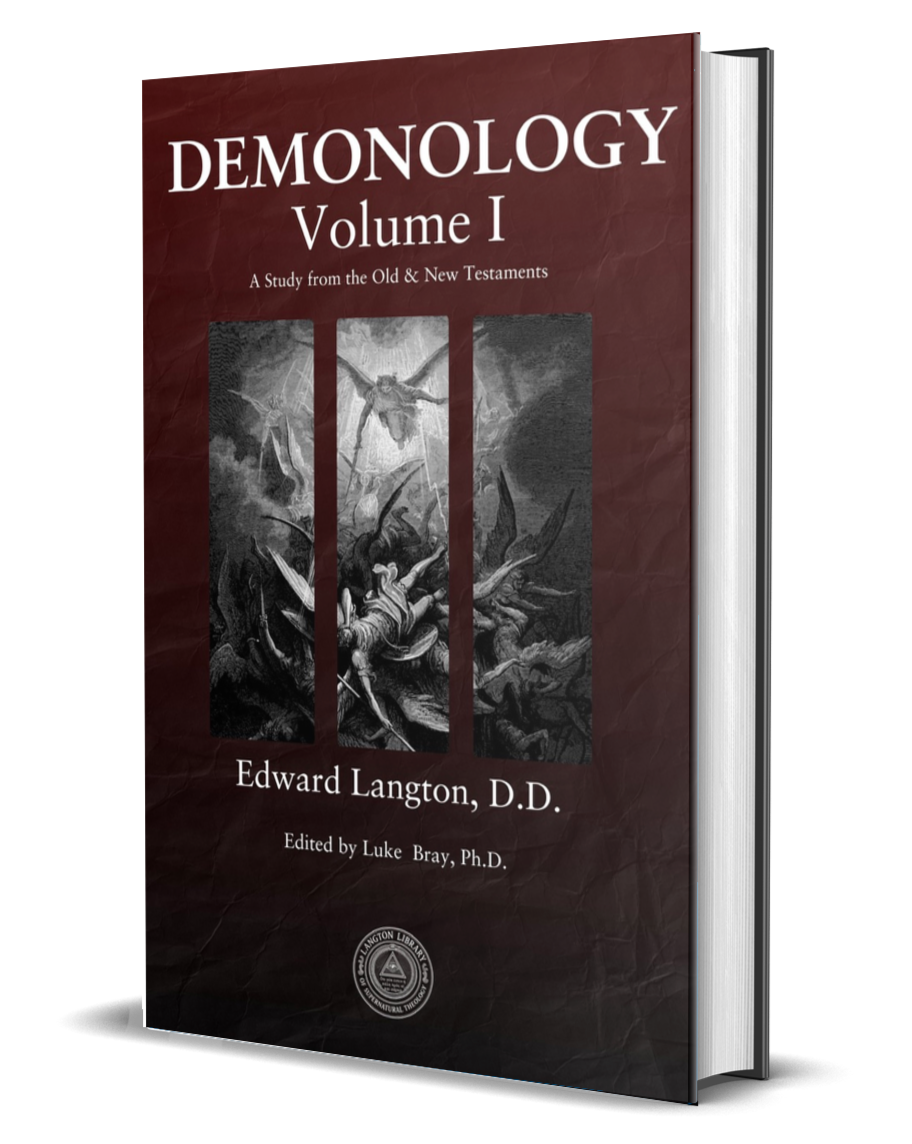
Demonology, Volume I
The Biblical Doctrine of Demons
Focusing on Scripture, this volume examines demons, possession, temptation, and spiritual opposition as they appear in biblical texts. Langton emphasizes careful exegesis and theological balance, avoiding both denial and exaggeration of the demonic. The study situates demonology firmly within the biblical worldview rather than folklore or later excess.
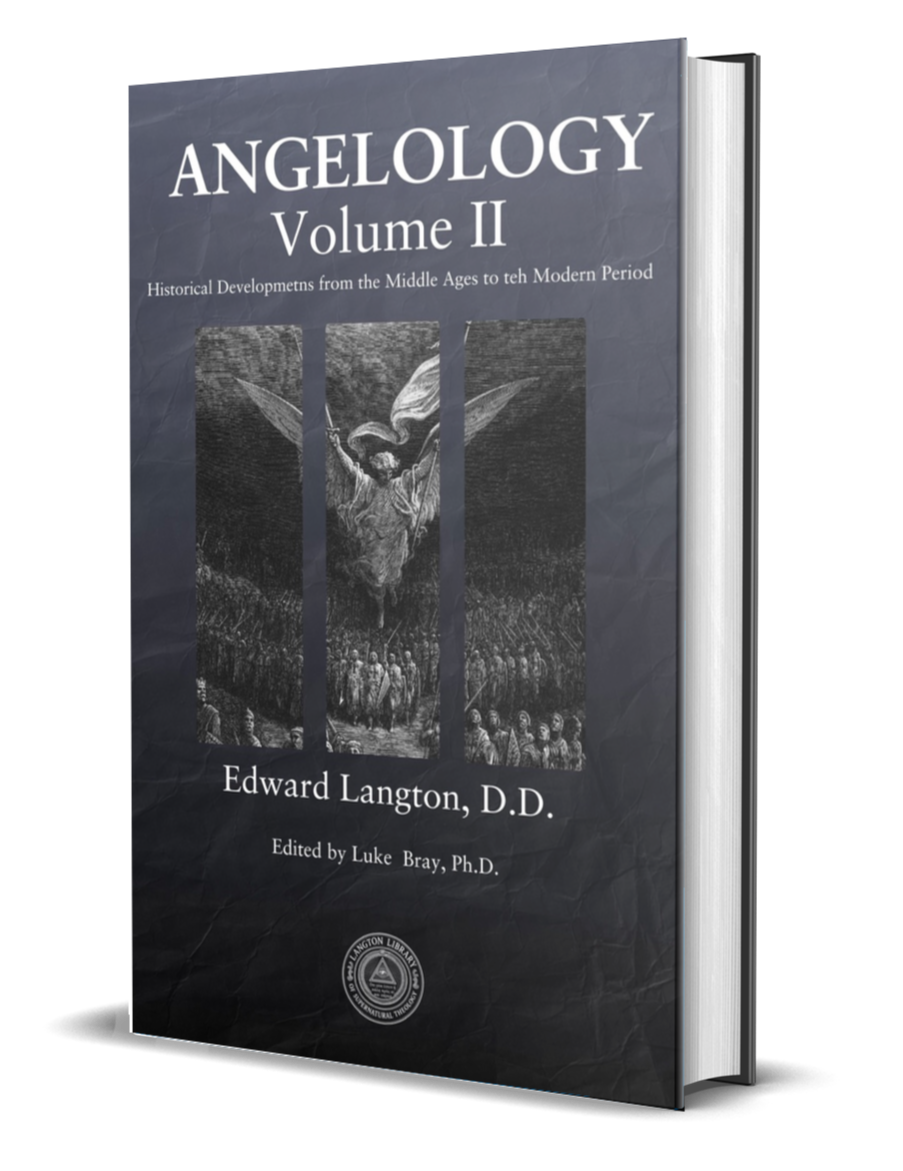
Angelology, Volume II
Angels in History & Christian Tradition
This volume traces the historical development of angelological thought from the medieval period through the modern era. Langton examines how philosophy, mysticism, art, and ecclesial teaching shaped evolving conceptions of angels. The work highlights continuity and divergence while maintaining critical distance from speculative traditions.
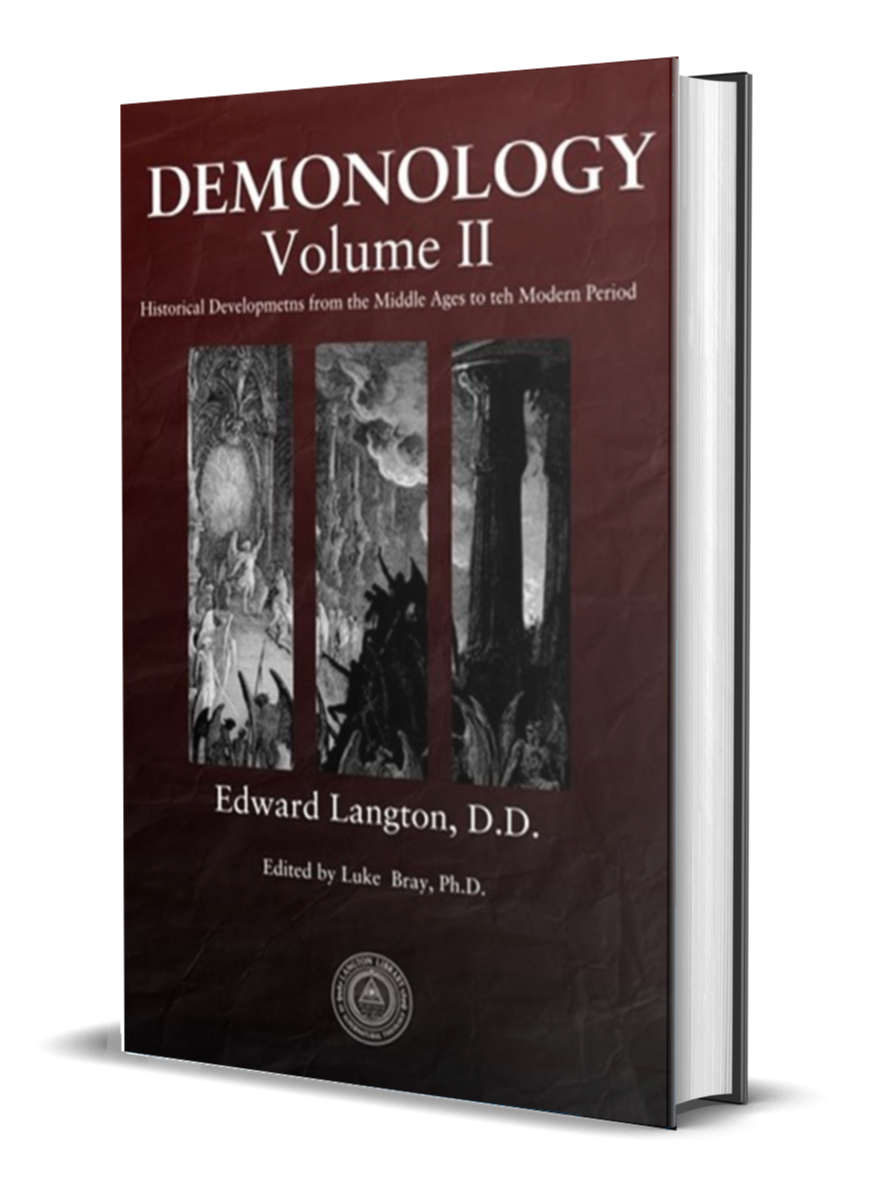
Demonology, Volume II
Demons in History & Christian Tradition
Here Langton explores how demonological thought developed across medieval, Reformation, and modern contexts. He documents shifts in interpretation influenced by theology, superstition, psychology, and cultural change. The volume provides historical clarity without endorsing extremes, preserving sober theological judgment.
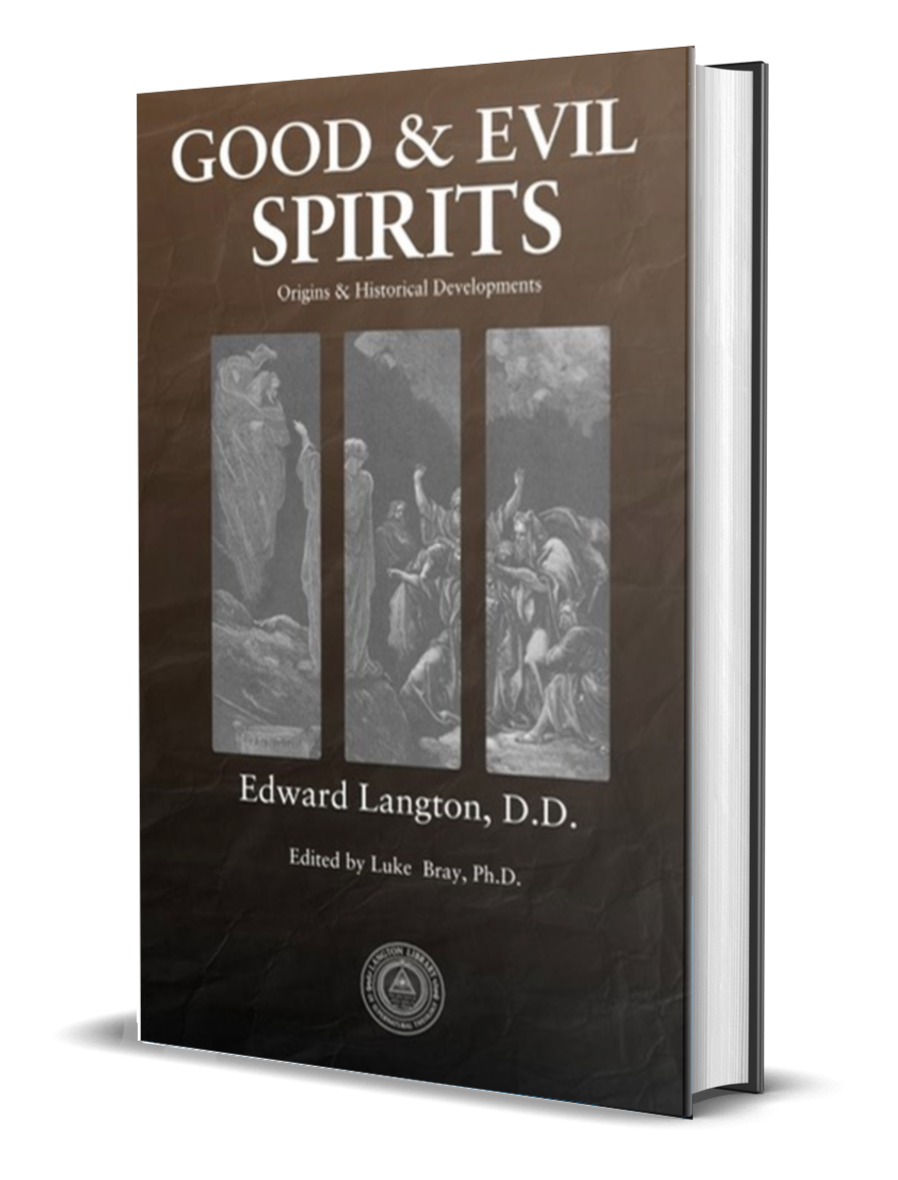
Good & Evil Spirits
Origins, Beliefs & Historical Developments
This work synthesizes Langton’s broader research on spiritual beings by examining the origins and historical development of beliefs about good and evil spirits. Drawing from biblical, Jewish, and Christian traditions, it situates spiritual beings within the wider history of religious thought. The volume serves as a unifying framework rather than a speculative system.
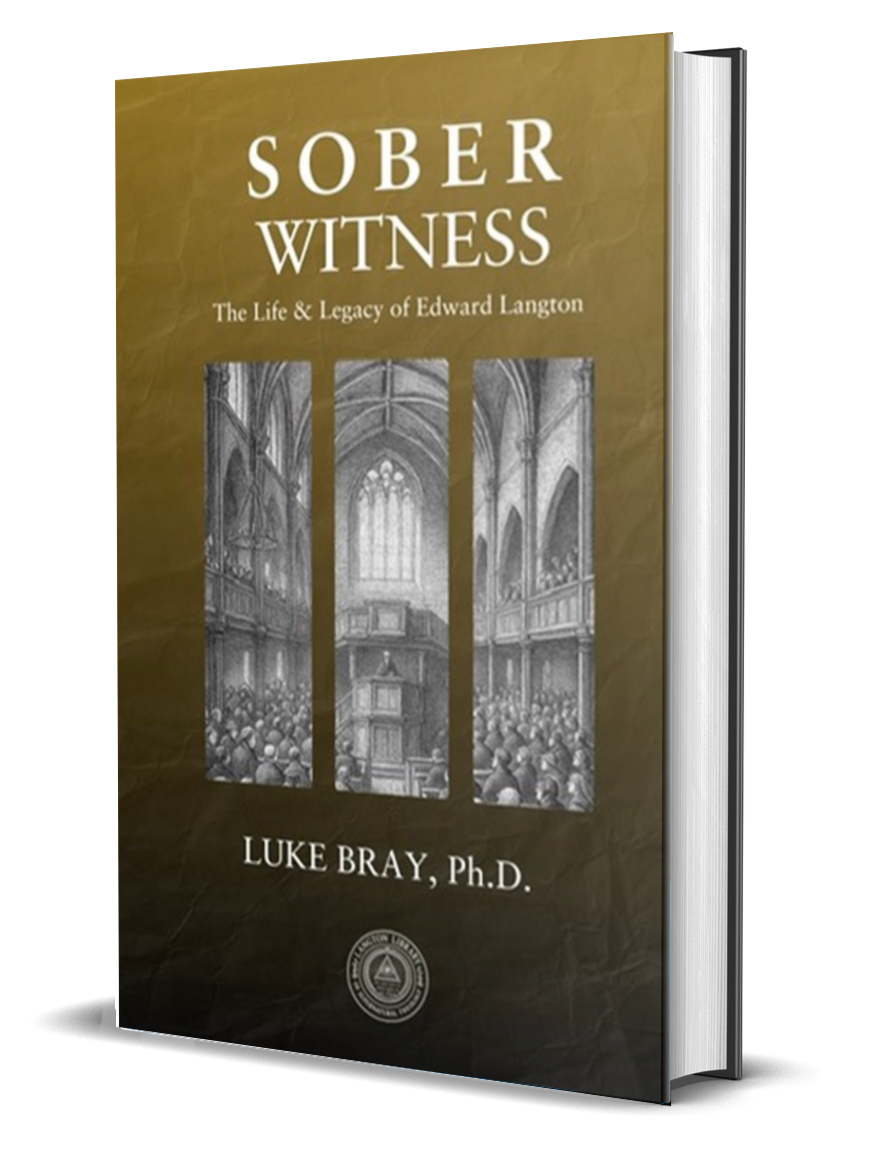
This volume examines the life, scholarship, and theological posture of Edward Langton as a disciplined historian of the supernatural. It situates his work within its academic, ecclesial, and cultural context, highlighting his resistance to sensationalism. The study frames Langton as a sober witness to the unseen—careful, restrained, and pastorally responsible.
Sober Witness
The Life & Legacy of Edward Langton
Luke Bray, Ph.D.
How This Relates to the History of Demonology and the Church
The Langton Library of Supernatural Theology and the History of Demonology & the Church (HDC) serves complementary purposes. The Langton Library presents a focused theological corpus—disciplined, confessional, and historically grounded—while HDC offers a wide-angle historical synthesis tracing the development of demonological thought across cultures and centuries. Within this larger landscape, the Langton Library functions as a stable theological anchor, providing clarity and restraint against which broader historical analysis can be measured.
Published under Stratias Press
The Langton Library of Supernatural Theology
Copyright © 2025 Stratias Press
All rights reserved.