
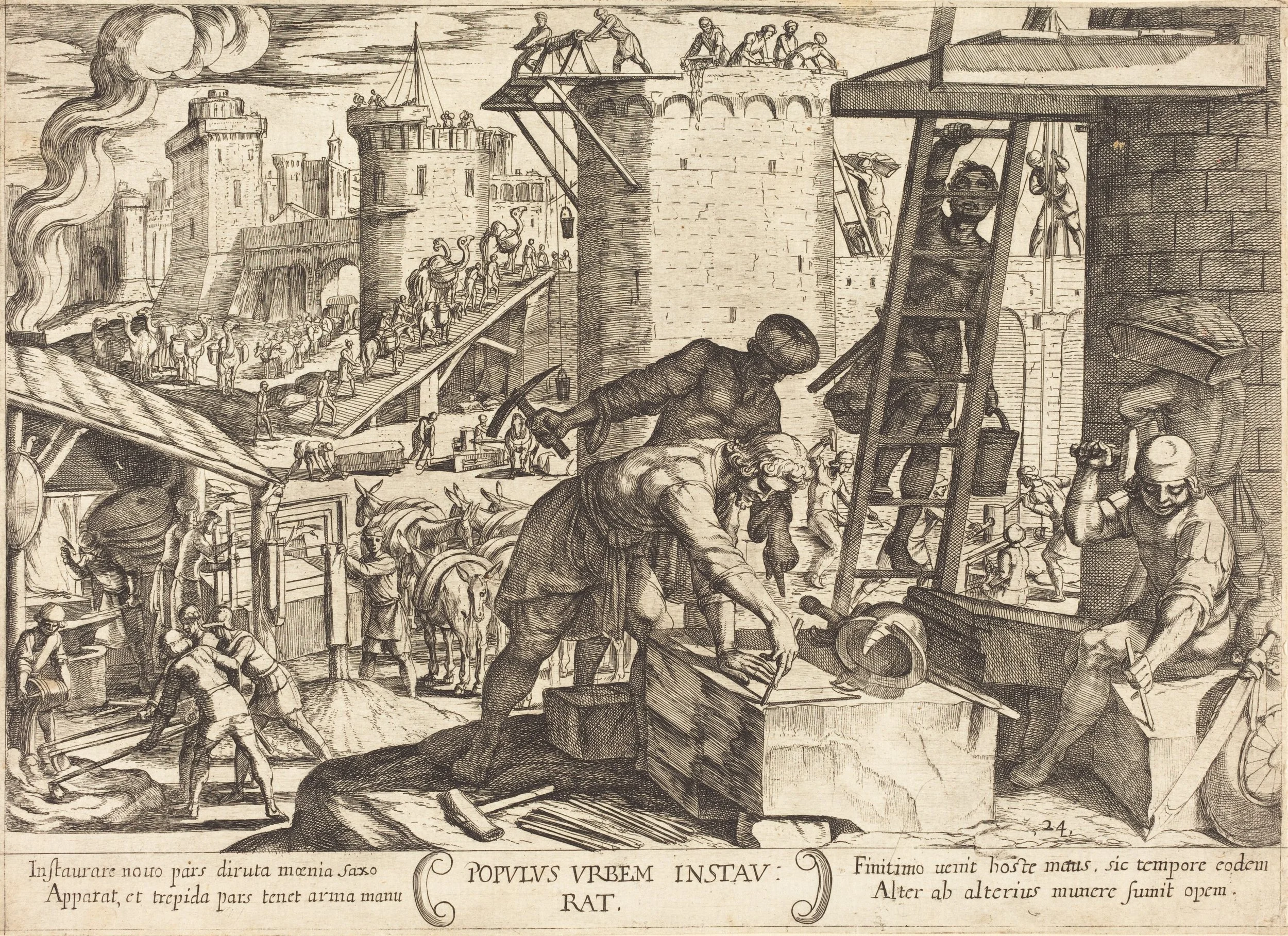
Keep Building
Nehemiah 4 shows what faithfulness looks like when the work God has placed before us becomes harder than expected. In the face of criticism, exhaustion, fear, and unfinished rubble, Nehemiah calls God’s people to pray, act wisely, remember the Lord, and keep building.
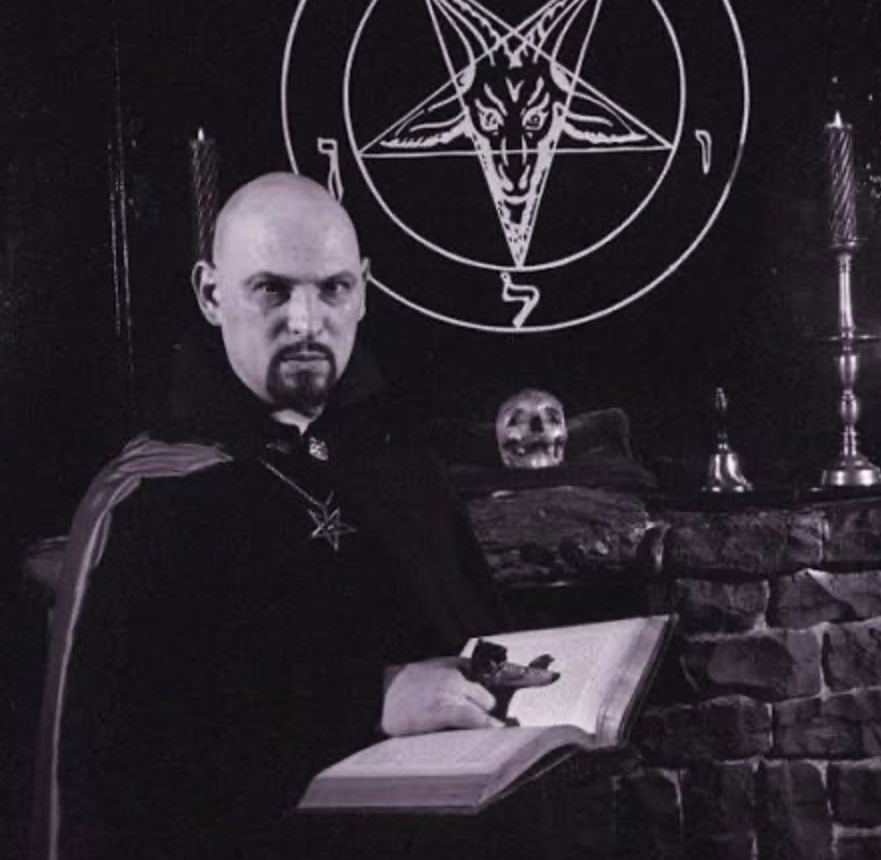
The Satanic Panic
The Satanic Panic did not emerge from nothing. Growing occultism and alternative spirituality raised legitimate Christian concerns, but those concerns became entangled with sensational media, unreliable testimony, suggestive therapy, and exaggerated claims. This article examines a period when spiritual danger and serious misrepresentation existed together, calling Christians neither to denial nor panic, but to disciplined, truthful, and biblically grounded discernment.

Build Your Section
Nehemiah 3 tells the story of ordinary people rebuilding Jerusalem one section at a time. Their work reminds us that we are not responsible for fixing everything, but we are called to be faithful with what God has placed within our reach. When each person builds their section, God weaves ordinary faithfulness into something far greater than any one person could accomplish alone.
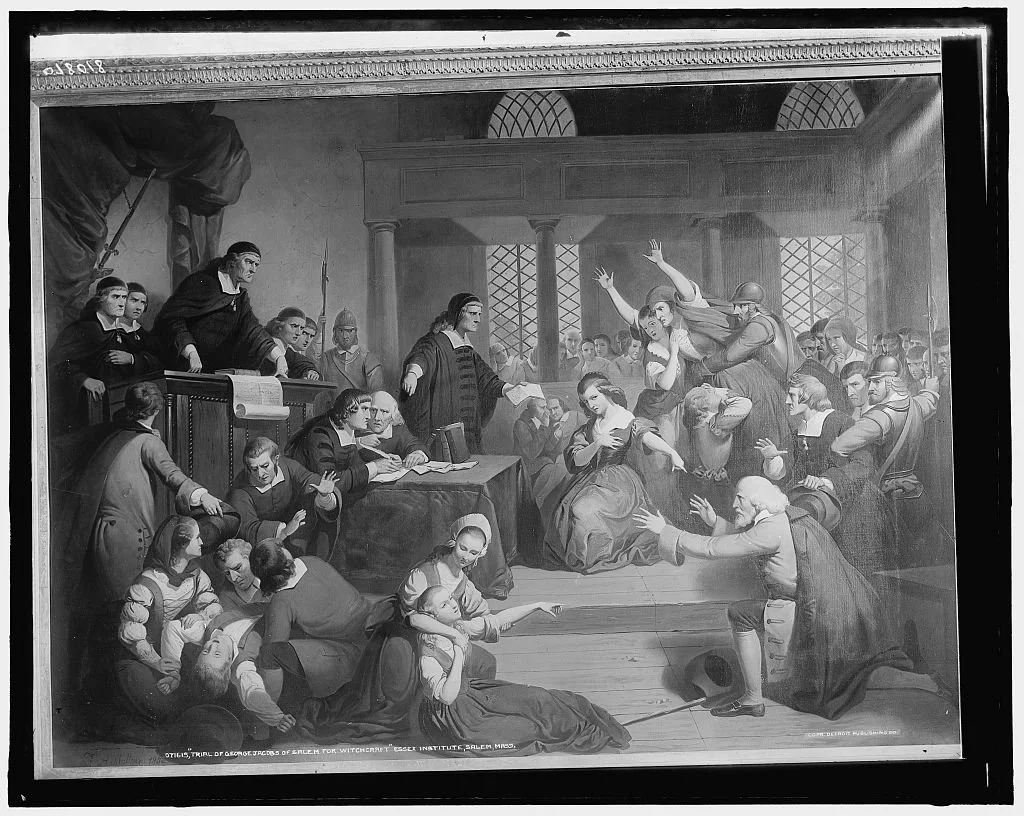
When Demonology Entered the Courtroom
What happens when claims about demons enter courts of law? This article examines how spiritual interpretations shaped testimony, investigations, and judgments while fear weakened ordinary safeguards. Rather than dismissing spiritual realities, it considers the limits of civil authority and evidentiary judgment. Christians can take evil seriously while defending due process, testing testimony, protecting the vulnerable, and resisting automatic legal certainty.

When Suspicion Becomes Certainty
Christians are called to recognize spiritual evil without abandoning evidence, humility, or truth. This article examines how suspicion becomes certainty when behavior, denial, or contradiction is forced into one spiritual explanation. It distinguishes discernment from accusation and argues that belief in demons should make Christians careful with testimony. Spiritual warfare never excuses false witness or conclusions that cannot be corrected.

The Reformers on Accusation
Rather than centering spiritual warfare on dramatic encounters with demons, the Reformers emphasized the battle of the conscience, where Satan seeks to undermine confidence in God's grace. Luther and Calvin answered that accusation by directing believers back to the finished work of Christ and the promises of the gospel.

Augustine and the Hierarchy of Evil
Augustine permanently reshaped Christian theology by rejecting the idea that evil exists as a rival power alongside God. His vision of evil as the corruption of the good continues to provide one of the Church's most important safeguards against exaggerating the authority of Satan.

The Satan of Job
The opening chapters of Job establish one of Scripture's most important theological boundaries: the devil is real, yet he never acts apart from God's sovereign permission. By examining the heavenly court and the accuser's role in the narrative, this article explores why Christian theology has consistently understood evil as powerful but never autonomous.

Deliverance as Technique
Throughout Christian history, Christians have repeatedly sought methods capable of bringing clarity and consistency to complex spiritual situations. The development of deliverance ministry illustrates how practices rooted in pastoral discernment can gradually become formalized into techniques that promise predictable results. By examining this recurring pattern, the article argues that faithful spiritual care requires wisdom, humility, and careful discernment rather than reliance upon formulas alone.
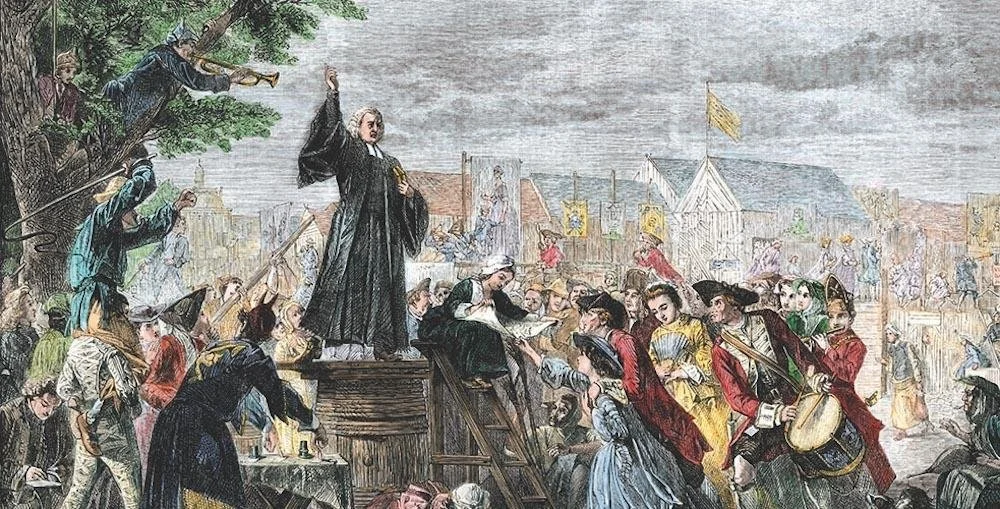
When Urgency Overrides Discernment
Periods of spiritual renewal often arise from genuine concern for the health of the Church, yet history demonstrates that urgency can create conditions in which discernment becomes increasingly difficult. As expectations rise and extraordinary experiences become central to a movement's identity, questions and careful evaluation are often perceived as obstacles rather than safeguards. By examining recurring patterns in revival history, this article explores why wisdom and discernment are essential companions to spiritual zeal.

Revival, Renewal, and the Fruit That Remains
Revival is one of the most celebrated concepts in Christian history, yet genuine spiritual renewal is often misunderstood. While extraordinary experiences may accompany awakening, Scripture and church history consistently demonstrate that the true measure of revival is enduring fruit—repentance, holiness, discipleship, and faithful witness. Examining movements such as the Moravian renewal reveals that lasting transformation occurs when spiritual zeal is joined to structures that cultivate lifelong faithfulness.

Stabbing the Snake
Jael’s shocking story reminds us that spiritual danger is often most deadly when it goes unnoticed. Her courage reveals that faithful leadership requires awareness, intentionality, and perseverance. This article explores how ordinary faithfulness becomes a weapon in the fight for those entrusted to our care.

Anneliese Michel
A young woman in 1970s West Germany becomes the center of one of the most controversial exorcism cases in modern history. This case file explores the collision of medicine, ritual, psychological suffering, institutional authority, and spiritual interpretation—and the tragic consequences that emerge when discernment collapses under the weight of competing categories.
The Enlightenment and the Collapse of Categories
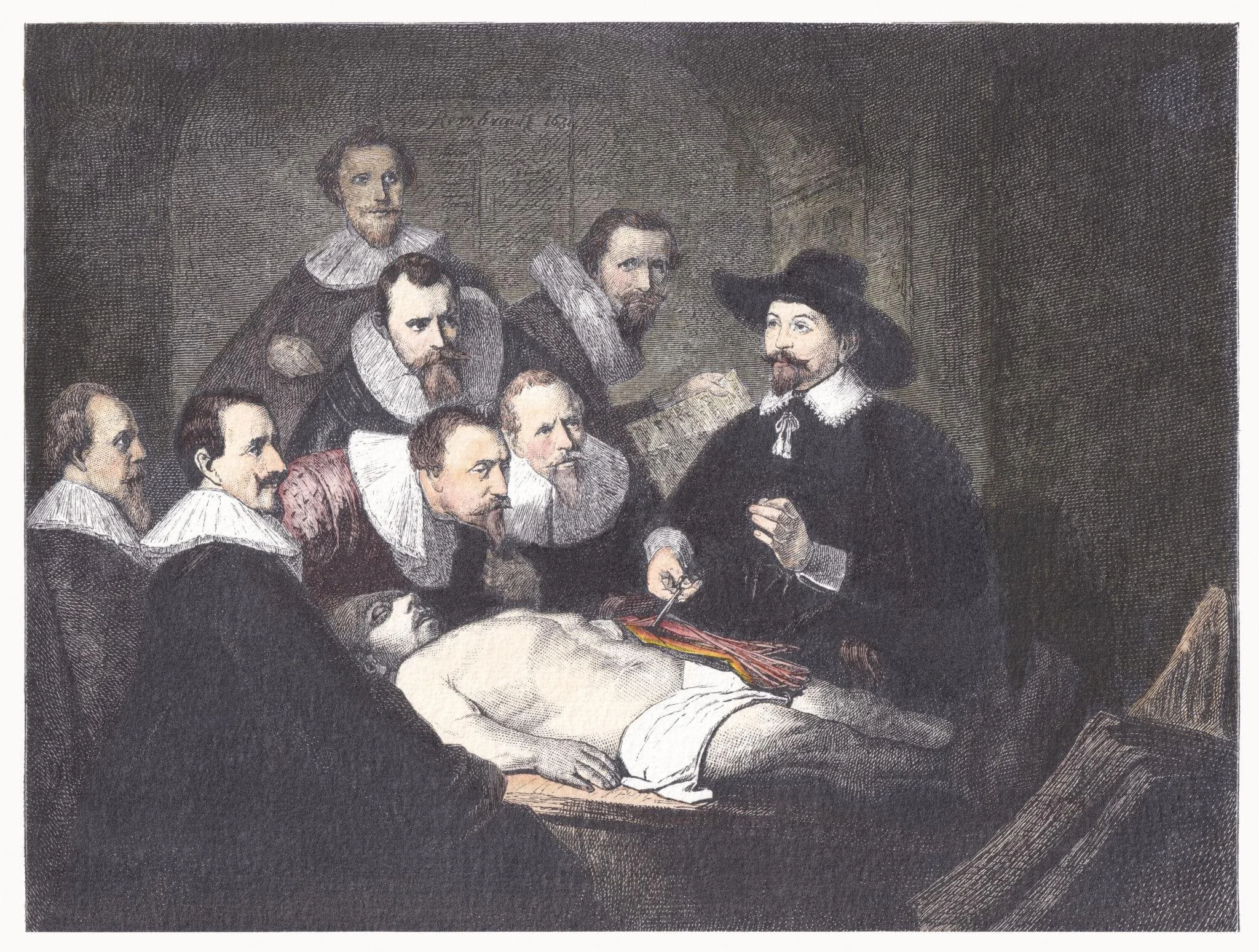
The Enlightenment did not simply reshape science and philosophy—it transformed how the modern world understands the human person. This article explores how Western culture gradually moved from an integrated spiritual anthropology toward a fragmented and increasingly mechanistic view of reality, collapsing categories that earlier Christian traditions once held together.
When Exorcism Became Ritualized
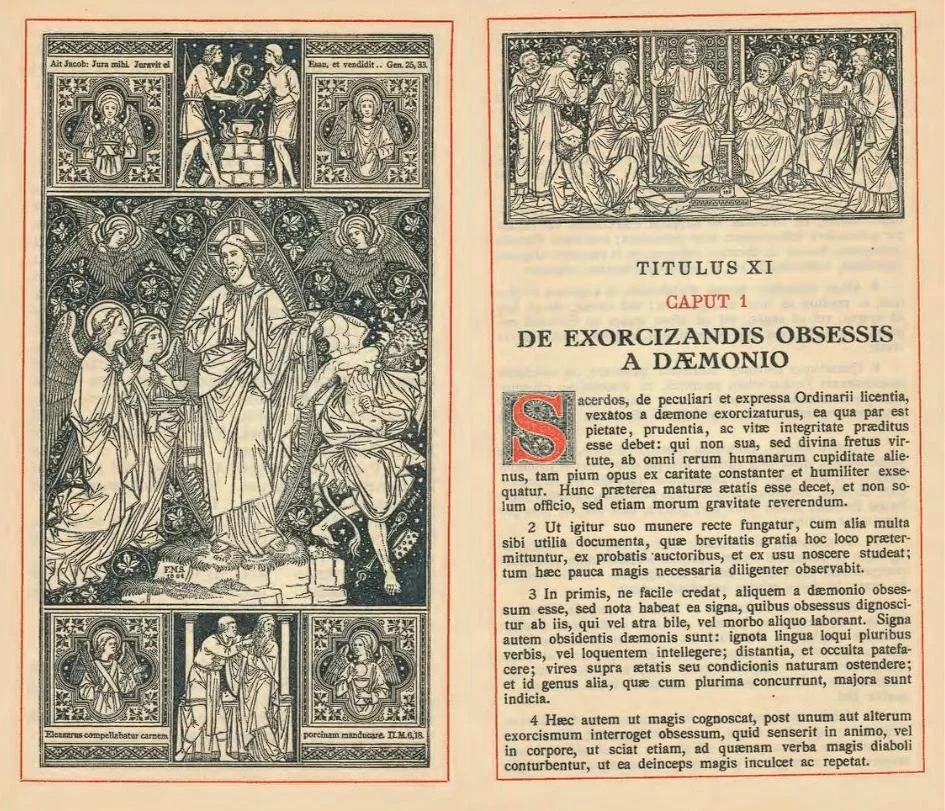
As exorcism became increasingly formalized during the medieval period, the Church preserved an important awareness of spiritual reality while also introducing new tensions between ritual, superstition, pastoral care, and discernment. This article explores how institutionalization gradually reshaped the Church’s understanding of spiritual conflict—and the risks that emerged when procedure began to overshadow wisdom.

Interior Warfare in the Desert Tradition
Long before spiritual warfare became associated with spectacle, the desert fathers understood it primarily as a battle for the interior life. This article explores how figures like Evagrius Ponticus and Anthony the Great developed a sophisticated framework of discernment that held together thought, temptation, desire, psychological struggle, and genuine spiritual opposition.

Dragons, Seraphim, and the Shape of Memory
What if the world’s persistent dragon imagery is more than myth or imagination? This reflection explores the global pattern of dragon traditions alongside the biblical worldview of unseen realities, asking whether these accounts may echo something real—though not strictly material.
UFOs, Disclosure, and the Unseen Realm
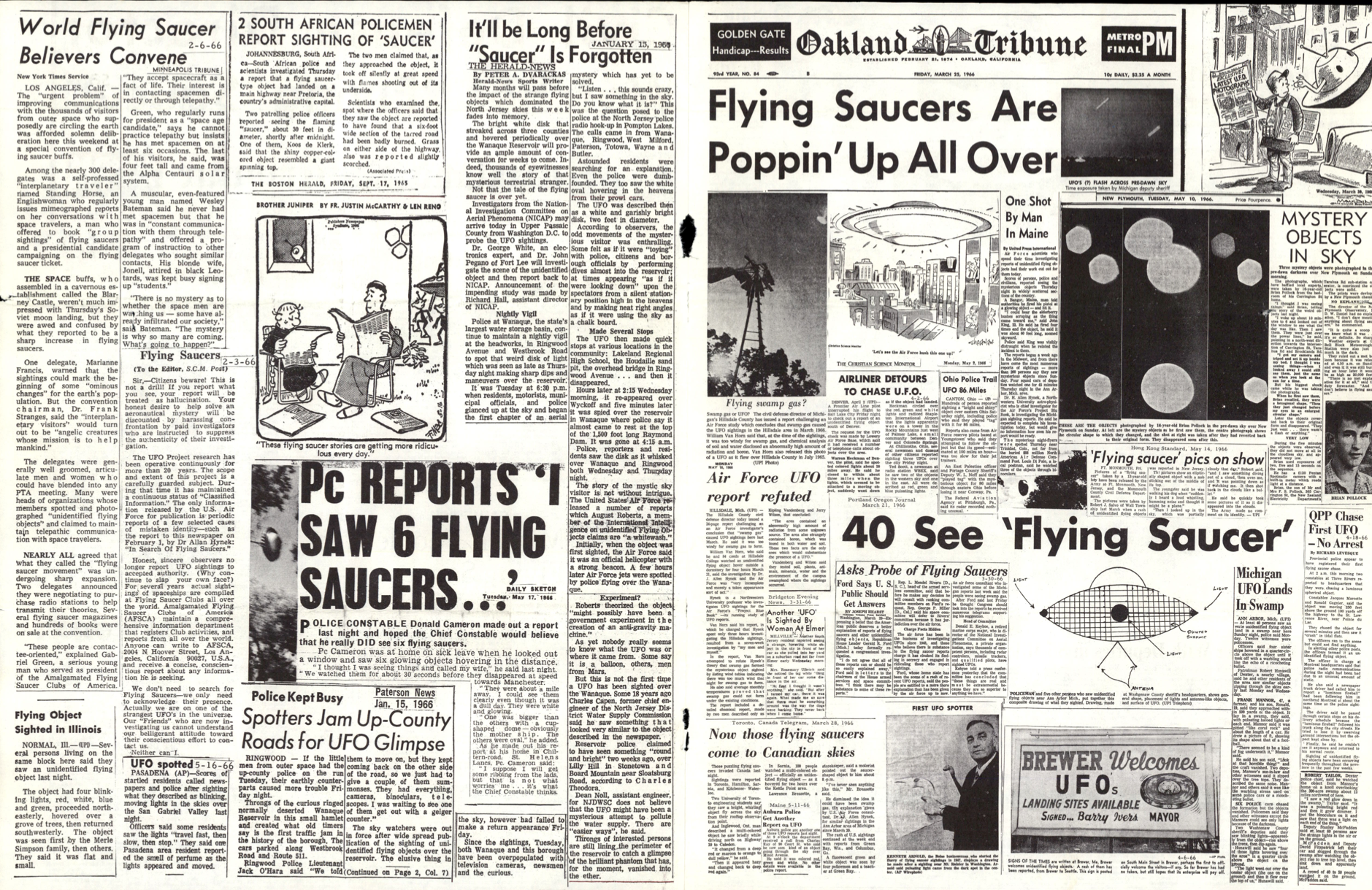
This article explores the growing cultural conversation surrounding UFO disclosure through a biblical and theological framework of the unseen realm. Rather than promoting sensationalism or speculation, it encourages pastors and believers to recover a mature supernatural worldview rooted in Scripture, discernment, and the authority of Christ.
The Cross as the Convergence Point
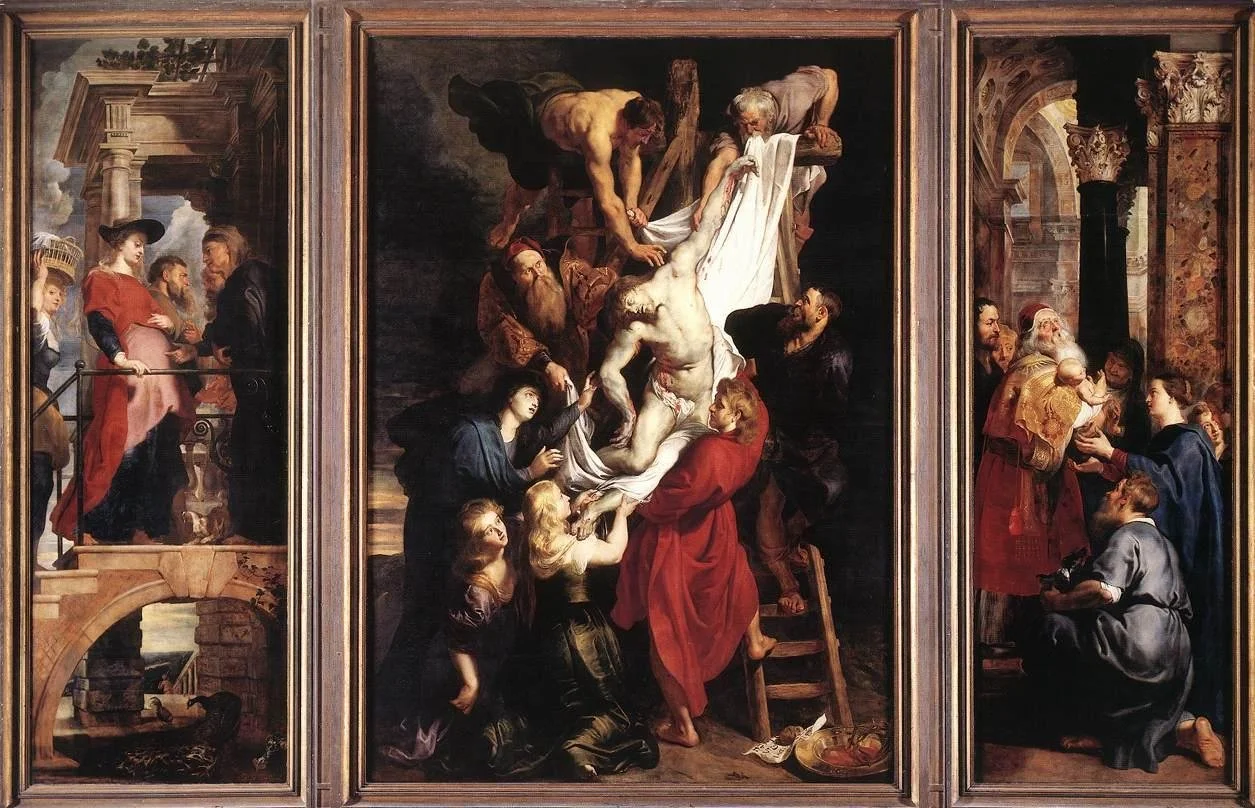
From Genesis to Golgotha, Scripture reveals a consistent pattern of authority, distortion, and exposure. This reflection explores how the cross does not merely resolve sin, but unveils and disarms false authority at its root. What appears as defeat becomes the moment of deepest clarity.
The Cross as Disarmament
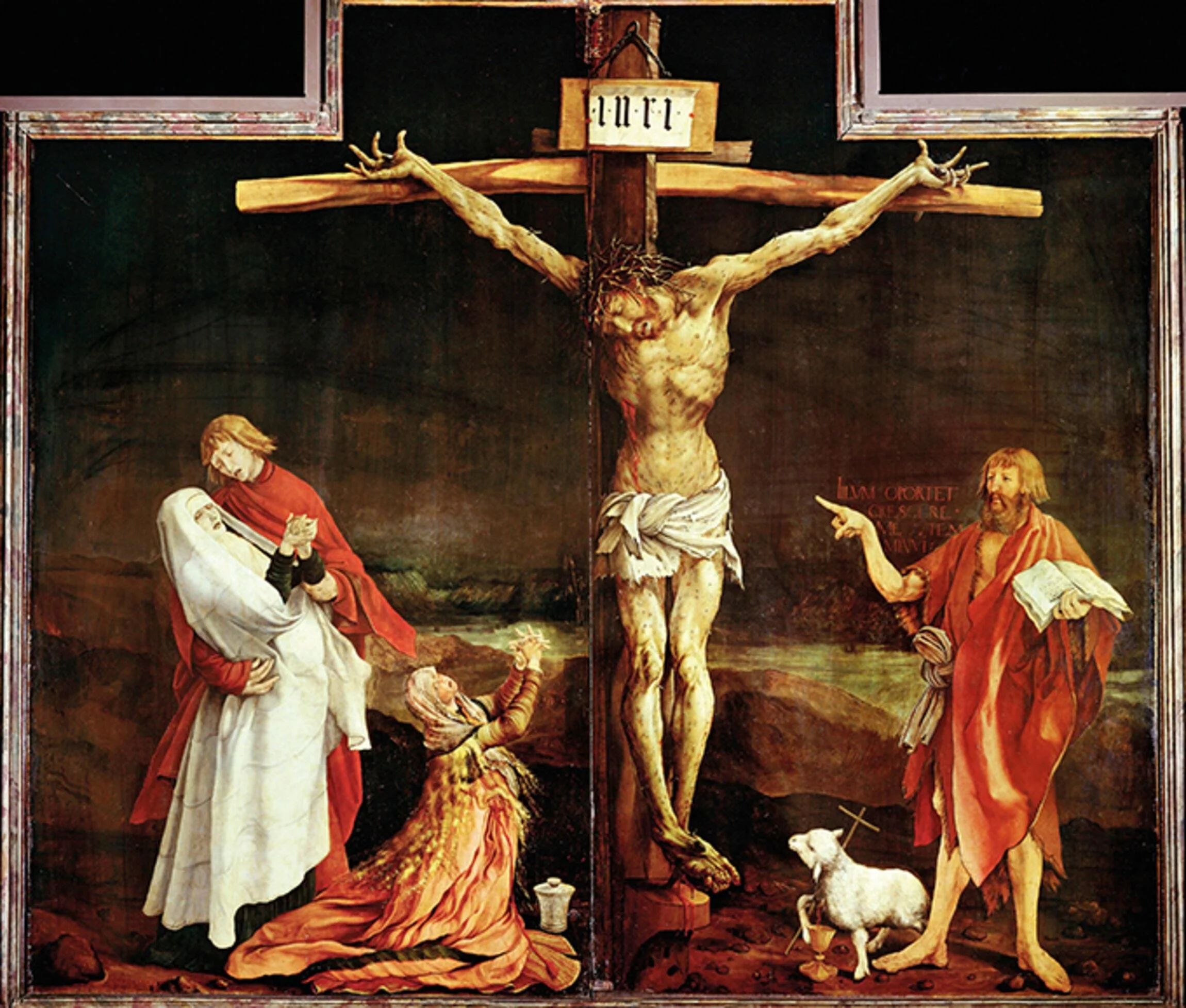
The cross is often understood as the place where sin is forgiven—but Scripture presents it as something more. This article explores how the crucifixion publicly exposes and disarms false authority, revealing the structures that stand against God. What appears as defeat becomes the moment of deepest clarity and decisive victory.